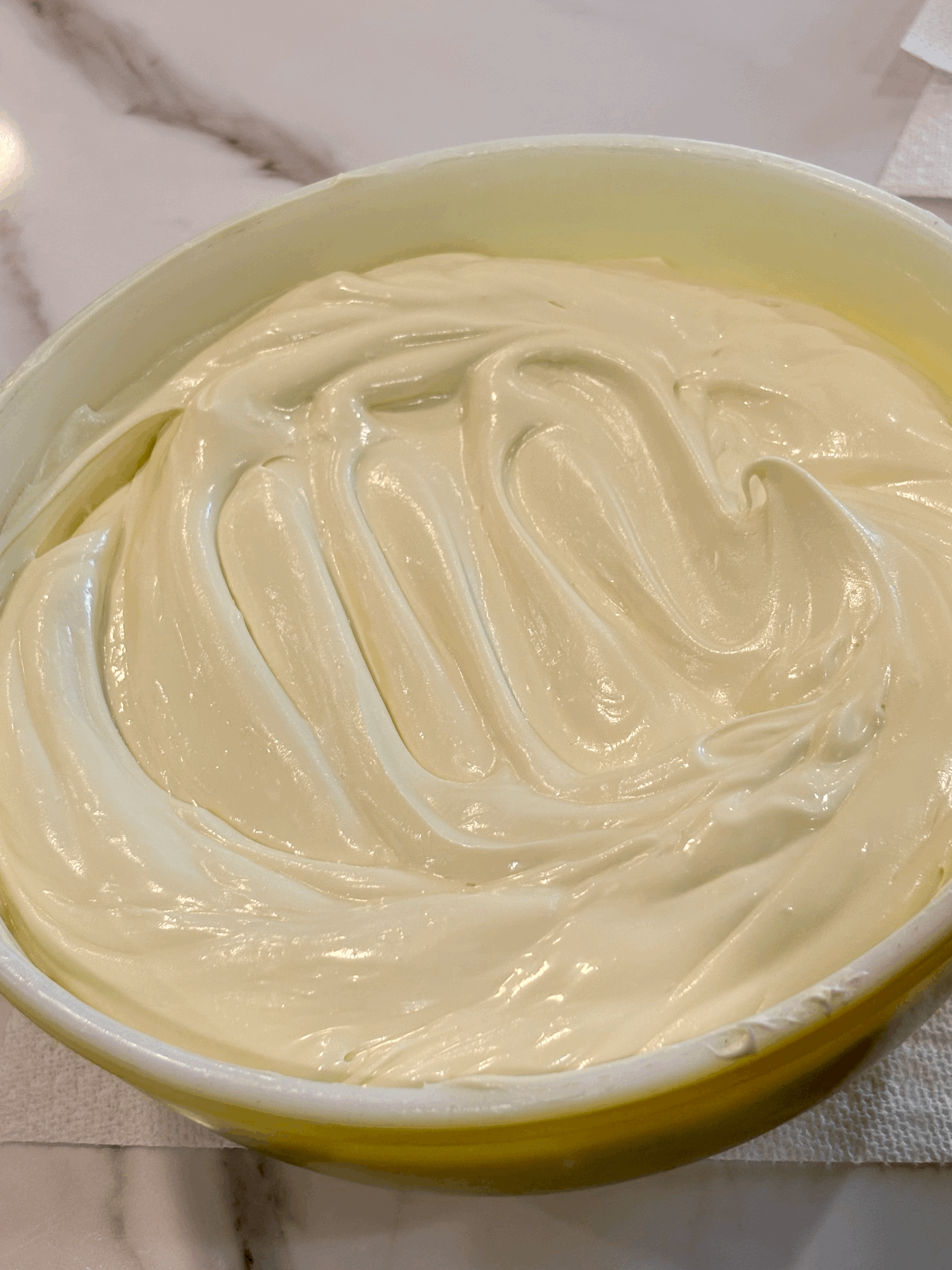
Why Moisture Matters:
Understanding Preservation in Natural Skincare
Understanding Preservation in Natural Skincare
When people begin exploring natural skincare, one of the first things they often look for is a simple ingredient list.
They want to recognize the ingredients. They want to understand what they are applying to their skin. They want products that feel closer to nature.
But there is another important part of skincare that is often overlooked:
Moisture matters.
The presence of water in a skincare formula changes everything.
Understanding Water in Skincare
Many traditional skincare products, including creams and lotions, are water-based formulas. Water allows ingredients to blend together into a smooth, spreadable product—but it also creates an environment where microorganisms can potentially grow.
Because of this, water-containing skincare products require careful formulation and preservation strategies to help maintain product safety and stability.
Preservation is not a bad thing.
It is an important part of responsible skincare formulation.
The question is not simply whether a product contains a preservative—the question is understanding why it is there and how the product was made.
What Makes Water-Free Skincare Different?
True Image Tallow SkinCare products are formulated without added water.
Our foundation begins with carefully rendered bison tallow, a traditional fat-based ingredient that has been used for generations in skincare and personal care.
Because our formulas are water-free, they are considered anhydrous formulations. This means they do not require the same type of preservation system as a water-based lotion or cream.
However, water-free does not mean “care-free.”
Quality still depends on the process.
Clean Craftsmanship Matters
Every ingredient journey matters.
From the moment our bison kidney suet arrives at our studio, each batch is carefully handled. Our equipment is sanitized, our jars are prepared with care, and our tallow is handcrafted in small batches.
This attention to detail is part of our commitment to creating a product we are proud to put on our own skin.
Natural skincare is not just about removing ingredients.
It is about understanding ingredients.
Simple Ingredients. Thoughtful Process.
We believe skincare can be both traditional and intentional.
Our ancestors understood the value of using simple materials from nature. Today, we have the benefit of combining that wisdom with our understanding of cleanliness, quality control, and responsible production.
The result is a skincare experience rooted in tradition while honoring modern expectations.
A simple ingredient list is only part of the story.
The process behind those ingredients matters too.
From the prairie to your skin, every step counts.
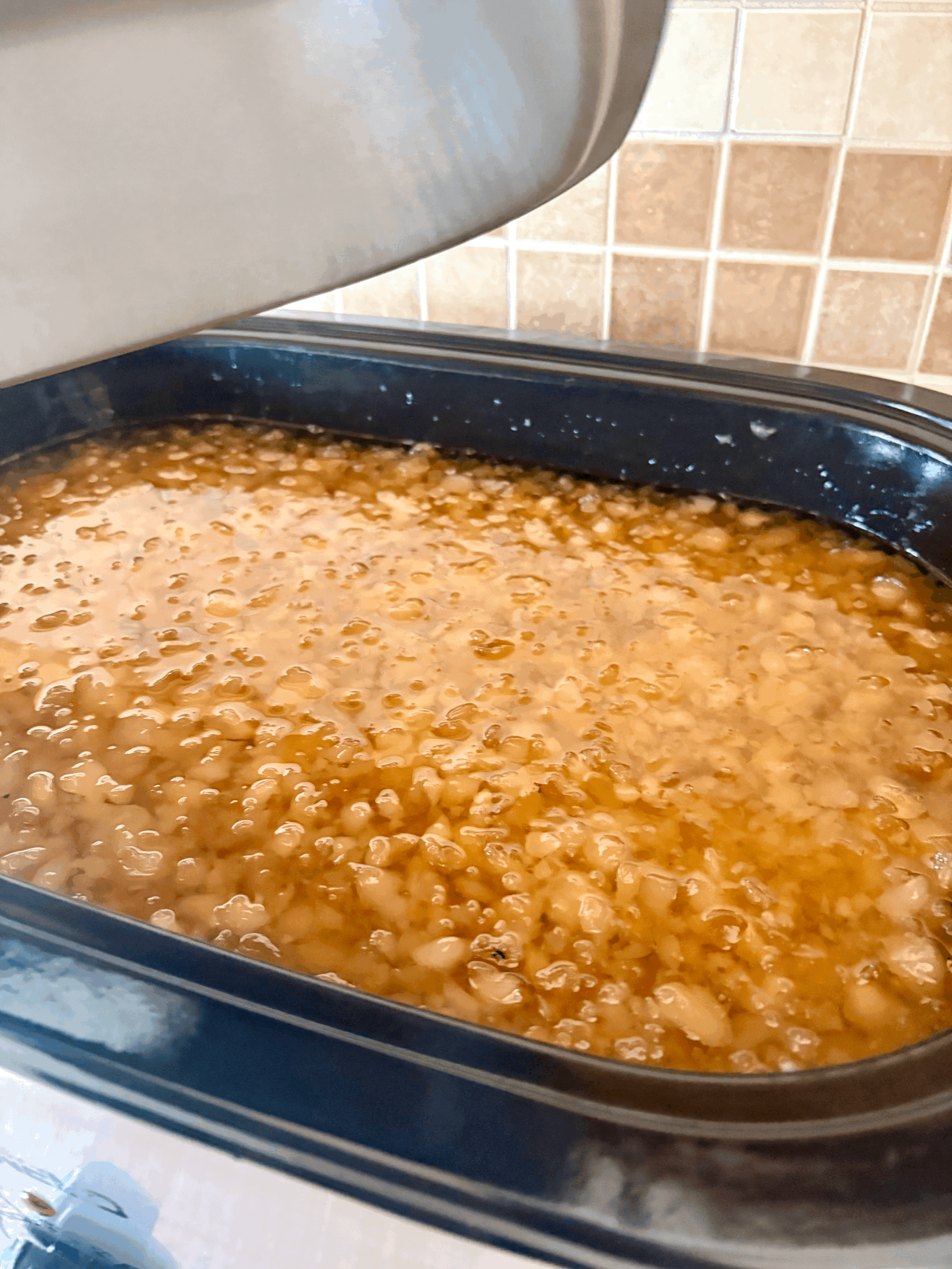
Dry Rendering vs. Wet Rendering:
Dry Rendering vs. Wet Rendering
Why Our Process Matters
Why Our Process Matters
When it comes to tallow skincare, many people see one simple word on a label:
Tallow.
But that one word doesn't tell the whole story.
Not all tallow is created the same.
The quality, character, and integrity of tallow can depend on many factors—the source of the fat, the part of the animal it comes from, how it is cleaned, how it is rendered, how many times it is processed, and how the final product is formulated.
At True Image Tallow SkinCare, we believe you deserve to know the story behind the ingredients you put on your skin.
That story begins long before the lid goes on the jar.
What Is Dry Rendering?
Dry rendering is a traditional method of transforming raw fat into tallow without adding water during the rendering process.
Our bison kidney suet is carefully hand-cleaned and rendered in-house using a slow, intentional process.
Keeping added moisture out of the rendering process allows us to create a stable, beautifully refined foundation for our skincare formulations—while minimizing unnecessary processing of an ingredient we intentionally chose for its naturally occurring lipids.
And that matters.
Tallow isn't simply “fat.”
It is a complex mixture of naturally occurring lipids, including fatty acids such as stearic, oleic, and palmitic acid, along with smaller lipid constituents that contribute to the characteristics of the finished fat.
Stearic acid, a saturated fatty acid, contributes to tallow's rich, protective and conditioning qualities.
Oleic acid, a monounsaturated fatty acid, contributes to its emollient properties and its ability to interact with the skin's lipid environment.
Our goal isn't merely to produce a fat.
Our goal is to preserve the integrity of the ingredient we're seeking in the first place.
Every batch is handled with care because the quality of the finished tallow begins with the attention given to every step before it ever becomes skincare.
What Is Wet Rendering?
Wet rendering uses water & salt during the rendering process.
This method can be useful for certain applications, but it changes the rendering environment and introduces additional considerations—particularly when the resulting fat is intended for skincare.
When water is involved, moisture management becomes an important part of creating a stable finished ingredient.
Water and other hydrous ingredients can provide an environment where unwanted microbial growth may occur. Consequently, water-containing skincare formulations require appropriate preservation, formulation expertise, and careful control of water activity and microbial stability.
But moisture isn't the only consideration.
Processing matters, too.
Repeated wet rendering, prolonged or excessive heat, and additional processing such as deodorization can change the character and composition of the original fat.
The primary fatty acids don't simply disappear during rendering. However, repeated heat exposure and additional processing can affect the broader lipid matrix and may alter or remove some of the naturally occurring minor components we value in a less-processed fat.
And this is where the conversation becomes important.
When a tallow has been repeatedly wet rendered and then deodorized, it has undergone considerably more processing between the original animal fat and the ingredient that eventually arrives in a skincare formulation.
That isn't necessarily wrong.
But it is different.
And when our goal is to create skincare around the natural characteristics of tallow, extensive processing isn't what we're looking for.
We don't want to process the ingredient out of the very reason we chose it.
The Tallow on the Label Doesn't Tell You Everything
A label may simply say:
“Tallow.”
But what does that actually mean?
Where did it come from?
What part of the animal was used?
Was it kidney suet, muscle fat, or another source?
Was it dry rendered or wet rendered?
How many times was it rendered?
Was it deodorized?
Was it purchased as bulk tallow from another supplier?
And if so, does the maker actually know where and how that tallow was rendered?
These are important questions.
Especially now.
The growing popularity of tallow skincare is exciting. People are rediscovering traditional animal fats and looking for simpler, more intentional approaches to skincare.
But as the market grows, transparency becomes even more important.
Knowing that something contains tallow is one thing.
Knowing the story behind that tallow is another.
Why Transparency Matters in Tallow Skincare
At True Image Tallow SkinCare, those answers should never be a mystery.
Our bison tallow begins with native prairie-raised bison and premium kidney suet sourced from a trusted North Dakota ranch.
We hand-clean the suet.
We dry render it ourselves.
We carefully process each batch in our own studio.
We know where our raw material comes from, and we know how it becomes the tallow that goes into our skincare.
That level of control matters to us.
Because when you purchase a jar from True Image, we don't want you to simply know that it contains bison tallow.
We want you to know what part of the animal, how it was rendered, and why we chose to do it that way.
Tradition Meets Modern Quality Standards
For generations, people understood the value of preserving resources and creating useful products from what nature provided.
Today, we combine that traditional knowledge with careful attention to modern standards for quality, consistency, sanitation, stability, and ingredient transparency.
We don't believe in shortcuts simply because a shortcut is faster.
We don't believe more processing automatically means a better ingredient.
And we don't believe you should have to take our word for it.
Ask questions.
Know your ingredients.
Know your source.
Know your process.
Because exceptional skincare doesn't begin when the lid goes on the jar.
It begins with the raw material.
It begins with the hands that prepare it.
It begins with the process used to transform it.
And ultimately, it begins with knowing the story behind every ingredient.
That is the story we are proud to tell.
True Image Tallow SkinCare
Handcrafted with purpose.
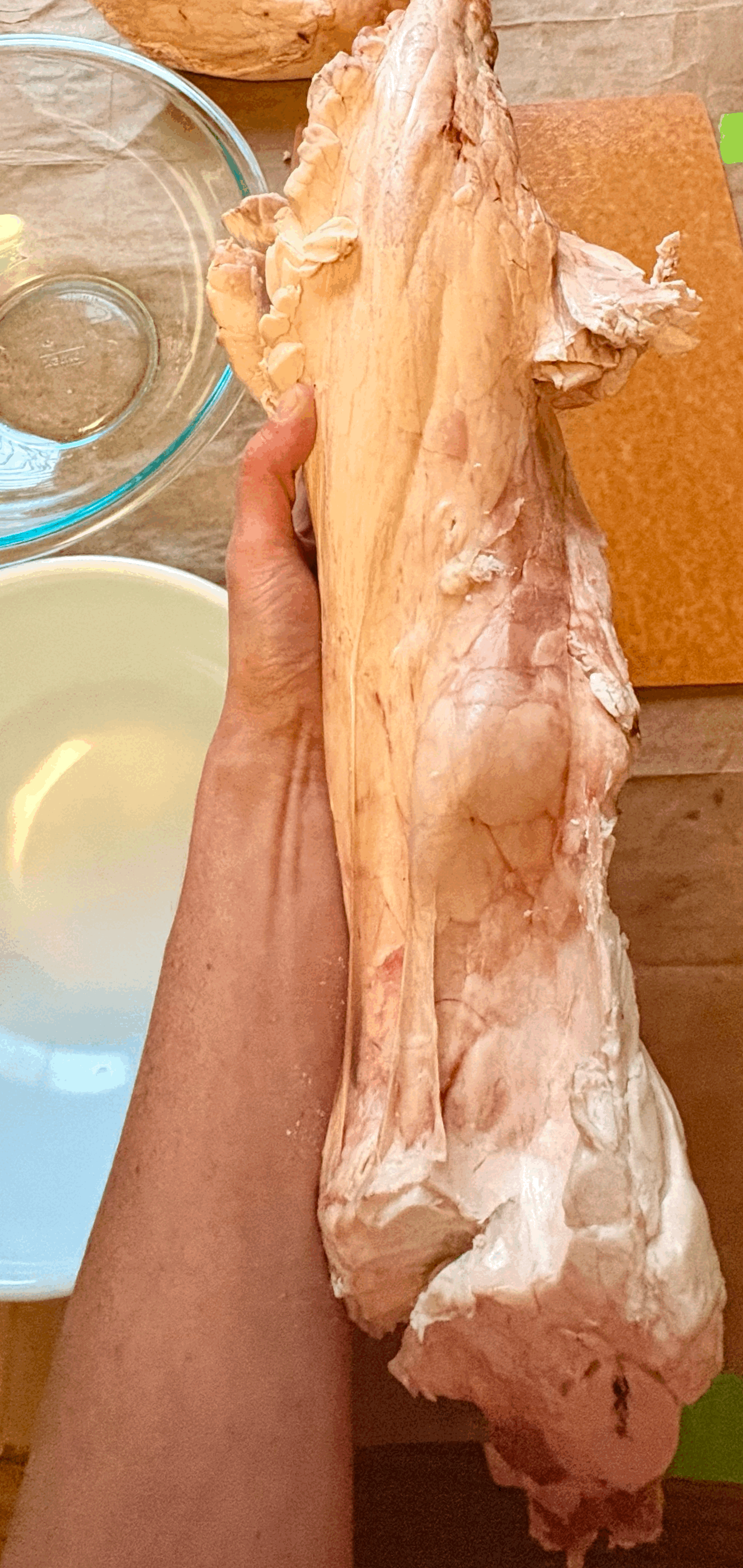
Why Kidney Suet?
What is Bison Kidney Suet?
Understanding the Foundation of Premium Tallow Skincare
Understanding the Foundation of Premium Tallow Skincare
When people first discover tallow skincare, one of the most common questions is:
“What makes one tallow different from another?”
The answer begins long before the rendering process. It begins with the animal, the source, and the specific type of fat being used.
At True Image Tallow SkinCare, our journey begins with one carefully chosen ingredient: bison kidney suet.
What Is Suet?
Suet is the firm, nutrient-rich fat found around the kidneys and other internal organs of an animal. Traditionally, suet has been highly valued because of its purity, stability, and versatility.
For generations, people used suet for practical purposes—from creating candles and soaps to conditioning leather and caring for the skin.
Not all animal fats are the same, and the location of the fat matters.
The unique characteristics of suet make it a preferred choice for creating a smooth, stable tallow that is well suited for traditional skincare.
Why Kidney Suet?
Kidney suet has long been considered one of the highest-quality fats for rendering.
Its naturally firm structure and clean composition make it an excellent foundation for handcrafted tallow. When carefully rendered, it creates a beautiful, nourishing ingredient with a smooth texture and a rich history of traditional use.
For us, choosing bison kidney suet was intentional.
We wanted an ingredient that reflected the land we call home and the values behind our skincare: simplicity, quality, and respect for natural resources.
Why North Dakota Bison?
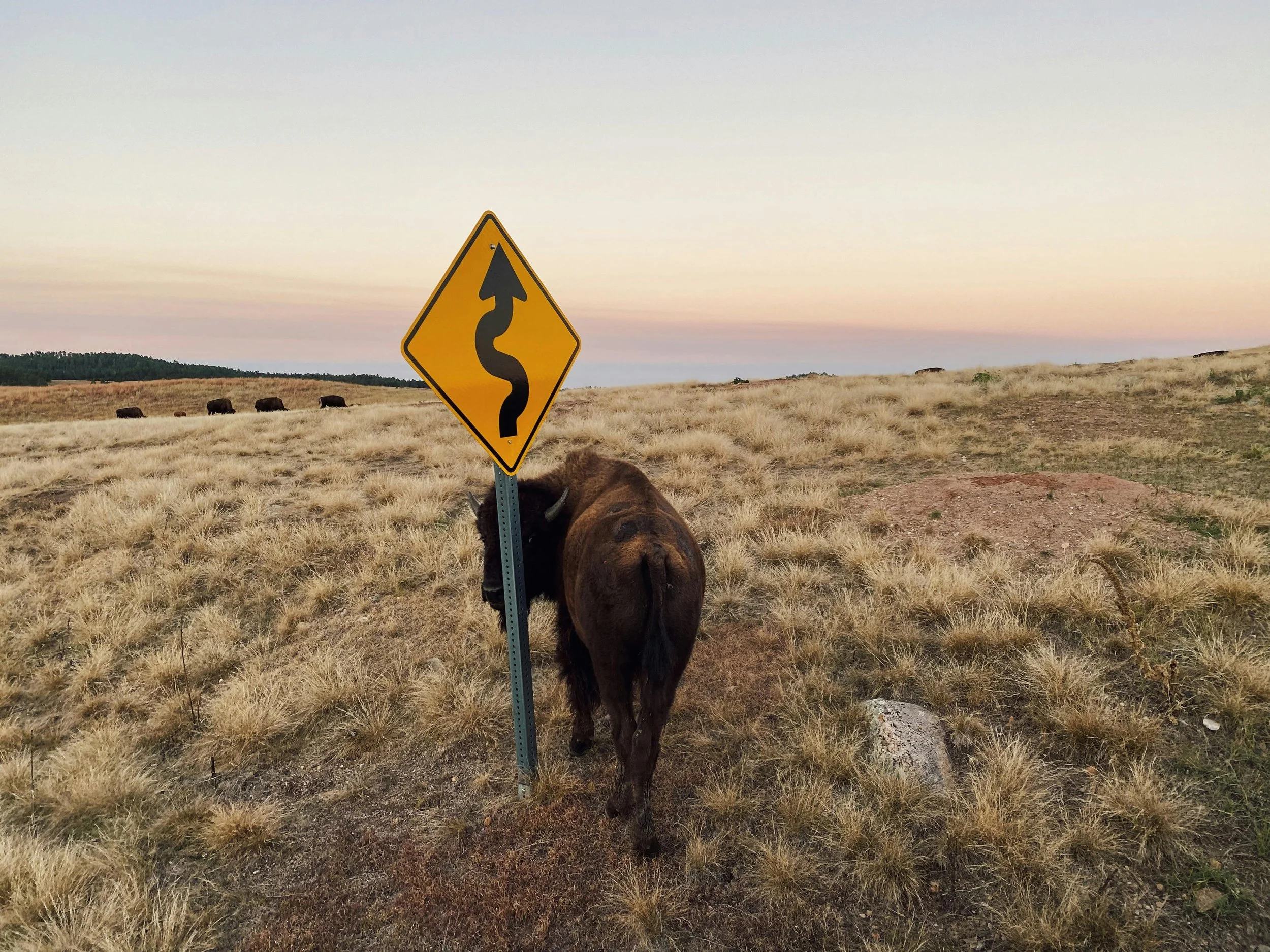
Our tallow begins with native prairie-raised bison from a small family ranch in North Dakota.
The prairie has a story to tell. It is a landscape shaped by generations of animals, ranchers, and people who understand the importance of working with the land.
By partnering directly with a local ranch, we know where our ingredient comes from and the care behind every step of the journey.
That connection matters.
The Importance of Traditional Rendering
After the premium kidney suet arrives at our studio, every batch is carefully hand-cleaned and dry-rendered using traditional methods.
Dry rendering is a slow, intentional process that transforms the raw suet into a pure tallow while removing moisture and creating a stable, beautiful ingredient.
This is not a process we rush.
Every batch receives hands-on attention because the quality of the finished tallow depends on the care given from the very beginning.
A Foundation Built on Tradition
In modern skincare, ingredients can sometimes become complicated. Long labels, unfamiliar names, and endless formulas can make it difficult to understand what we are actually using on our skin.
Tallow brings us back to simplicity.
A thoughtfully chosen ingredient. A traditional process. A connection to the land.
For True Image Tallow SkinCare, premium skincare starts with respect—for the animal, for the prairie, and for the generations of knowledge that brought us here.
Because the story of exceptional skincare begins before the jar is ever filled.
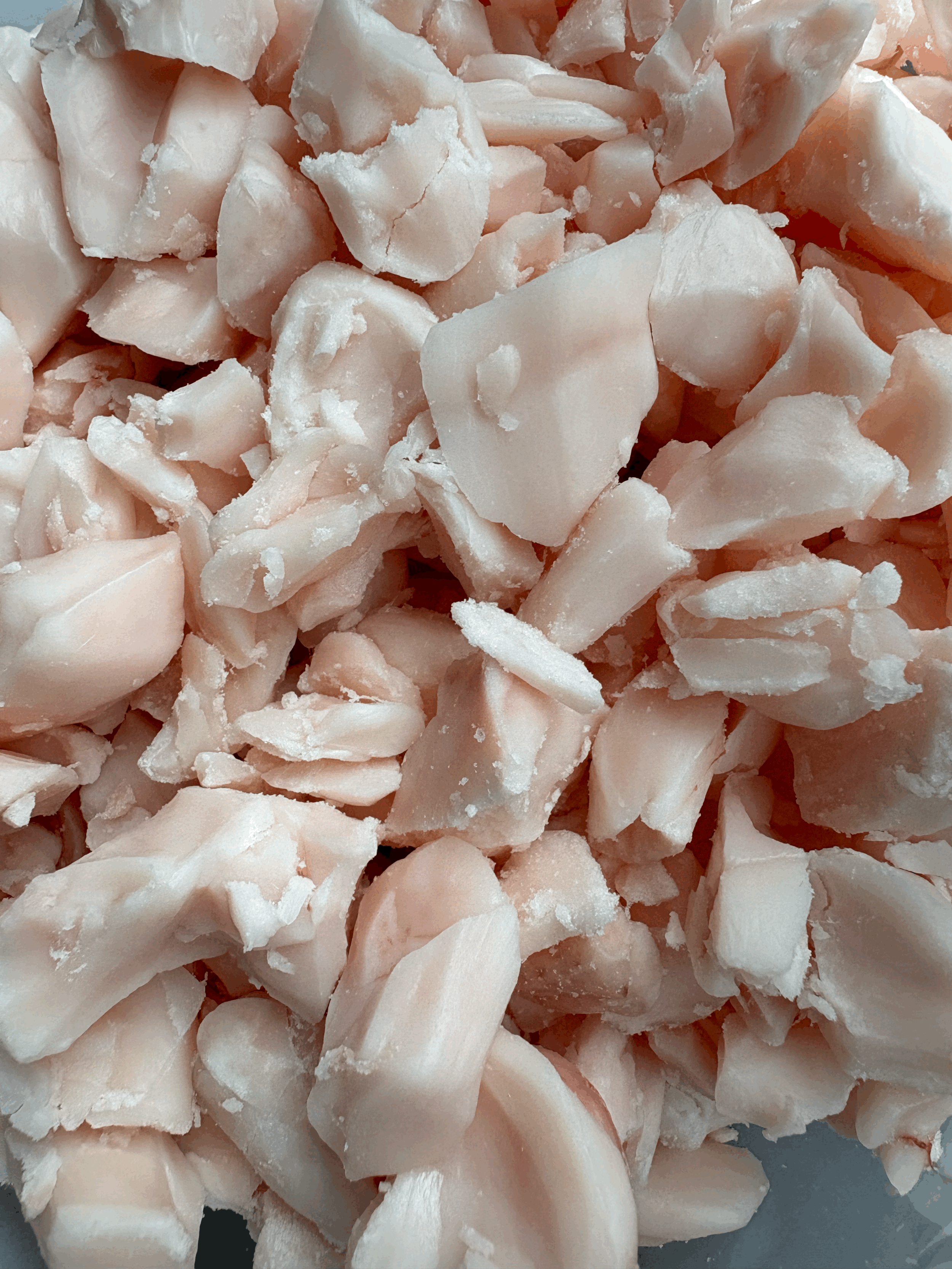
From Bison to Beauty: The Journey of Our North Dakota Bison Tallow
The Art of Traditional Dry Rendering, Why Bison Kidney Suet?
Every jar of True Image Tallow SkinCare begins long before it reaches your hands.
It begins beneath the wide-open skies of North Dakota, where native prairie-raised bison roam the grasslands that have shaped this landscape for generations.
For centuries, people understood the importance of using what nature provided. Animal fats were valued for their many practical uses—from conditioning leather to protecting and caring for the skin. Today, we are rediscovering the wisdom found in these traditional ingredients and bringing them forward through thoughtfully crafted skincare.
Our journey begins with one very important ingredient: bison kidney suet.
Why Bison Kidney Suet?
Not all tallow is created the same.
The quality of tallow begins with the quality of the fat it comes from. We proudly partner with a small family ranch in North Dakota to source premium bison kidney suet from native prairie-raised bison.
Kidney suet has long been prized for its purity and firmness, making it an ideal foundation for creating a luxurious, stable tallow. By sourcing directly from a trusted ranch, we know the story behind our ingredient and the care that goes into raising these animals.
“Our North Dakota grassland–raised Bison kidney suet is sourced directly, premium-USDA certified, and 100% natural, with no nitrites, hormones, antibiotics, or steroids used during the animals’ lifetime.”
Raised ethically and sustainably.
Dry Rendered * Formulated In House
We believe great skincare starts with transparency—knowing where an ingredient comes from and honoring the journey it takes.
The Art of Traditional Dry Rendering
Once the suet arrives at our studio, the transformation begins.
Each batch is meticulously hand-cleaned and handcrafted from start to finish. Through traditional dry rendering, we slowly transform the raw suet into a clean, nourishing tallow while carefully preserving the qualities that make this ingredient so special.
This process requires patience, attention, and respect for the material. It is not a rushed process or a mass-production approach.
Every step matters.
From the prairie to the studio, our goal is to create a consistent, high-quality ingredient worthy of being used on your skin.
A Connection Between Tradition and Modern Skincare
In today's world of complicated ingredient lists, many people are searching for simpler skincare options. They want to understand what they are putting on their skin and where those ingredients come from.
Bison tallow connects us to something timeless.
It reflects a traditional way of caring for ourselves—using simple, purposeful ingredients that have been valued for generations.
At True Image Tallow SkinCare, we honor that tradition while bringing it into the modern world through careful craftsmanship and thoughtful formulation.
From the Prairie to Your Skin
Our bison tallow is more than an ingredient.
It represents a relationship—with the ranchers who care for the animals, with the prairie that sustains them, and with the traditional knowledge that reminds us to use nature’s gifts wisely.
Every jar carries a piece of North Dakota: the land, the craftsmanship, and the story behind the ingredient.
From bison to beauty, this is the journey of our tallow. We love to try new formulas, even when we’re unsure of the outcome. Every time you take action despite self-doubt, you reinforce the belief that you’re capable. Confidence isn’t about having all the answers — it’s about trusting that you can figure it out along the way.
The key to making things happen isn’t waiting for the perfect moment; it’s starting with what you have, where you are. Big goals can feel overwhelming when viewed all at once, but momentum builds through small, consistent action. Whether you’re working toward a personal milestone or a professional dream, progress comes from showing up — not perfectly, but persistently. Action creates clarity, and over time, those steps forward add up to something real.
You don’t need to be fearless to reach your goals, you just need to be willing. Willing to try, willing to learn, and willing to believe that you’re capable of more than you know. The road may not always be smooth, but growth rarely is. What matters most is that you keep going, keep learning, and keep believing in the version of yourself you’re becoming.
Questions Every Consumer Should Ask Before Buying Tallow Skincare
The Prairie Journal, Questions Every Consumer Should Ask Before Buying Tallow Skincare
The return of traditional skincare ingredients has brought many people back to something simple: tallow.
For generations, animal fats have been valued for their versatility and usefulness—from conditioning leather to creating soaps and caring for the skin.
Today, tallow skincare has found its way back into modern routines, offering people an opportunity to reconnect with traditional ingredients.
But as interest grows, so does the importance of understanding what is behind the label.
The word “tallow” tells you what an ingredient is.
It does not tell you the whole story.
Every tallow product has a journey—from the animal, to the source, to the rendering process, to the final jar.
As a consumer, you have every right to ask questions.
Where Does the Tallow Come From?
The first question is simple:
What animal is the tallow sourced from?
Tallow can come from different animals, including cattle, bison, sheep, and other traditional sources.
Each source carries its own story.
The animal, its environment, and the way the raw material is handled all contribute to the final ingredient.
Understanding the source is the first step toward understanding your skincare.
What Part of the Animal Is Used?
Not all animal fats are the same.
Many traditional tallow makers seek out specific fats, such as kidney suet, because of its long history of use and desirable characteristics for rendering.
A thoughtful maker should be able to explain not only that they use tallow, but what type of fat they selected and why.
The foundation matters.
Where Is the Ingredient Sourced?
Knowing where an ingredient comes from creates a deeper connection between the consumer and the product.
Consider asking:
Where was the animal raised?
Is the company connected to the ranch or supplier?
Do they know the story behind the ingredient?
Transparency builds trust.
Does the Company Render Their Own Tallow?
This is an important question that is often overlooked.
Some skincare makers begin with raw fat and render their own tallow.
Others purchase already-rendered tallow from a supplier.
Neither approach tells the entire story—but understanding the difference helps you understand the level of involvement behind the product.
A company that renders its own tallow should be able to explain the process, the care taken, and why they chose that method.
How Is the Tallow Rendered?
Rendering is where raw fat becomes the ingredient used in skincare.
Different rendering methods exist, and each maker may choose a process based on their goals and experience.
Ask:
Is the tallow dry-rendered?
How is the process handled?
How does the company ensure consistency from batch to batch?
The rendering process is an important part of the story.
Is the Ingredient List Transparent?
A simple ingredient list is meaningful when every ingredient has a purpose.
A trustworthy company should be able to explain:
What each ingredient is.
Why it was chosen.
How it contributes to the final formula.
Skincare should not feel like a mystery.
Is the Product Water-Free?
Many traditional tallow balms are anhydrous, meaning they are made without added water.
Others may include ingredients that introduce moisture into the formula.
Understanding whether a product is water-free helps consumers better understand the formulation and preservation considerations behind the product.
The important thing is transparency.
Is the Product Clearly Labeled?
Thoughtful labeling reflects thoughtful craftsmanship.
Consumers should be able to easily understand: Ingredients, Directions for use, Storage recommendations, Intended use of the product. Clear information allows people to make informed choices.
Is It Truly Handcrafted?
The word “handcrafted” can mean different things.
Ask what that means to the maker.
Is it made in small batches?
Is it produced by the company?
Are the ingredients carefully selected and blended by hand?
The more you understand the process, the more meaningful the word becomes.
Can the Maker Answer Your Questions?
Perhaps the simplest question is the most important:
Is the company willing to share the story behind the product?
A skincare maker who understands their ingredients should be able to explain their sourcing, their process, and their choices.
Education creates confidence.
The Story Behind the Jar Matters
At True Image Tallow SkinCare, we believe every ingredient has a story.
Our bison tallow journey begins with native prairie-raised bison, premium kidney suet sourced through a trusted North Dakota ranch partnership, and a traditional dry rendering process performed in our own studio. Our bison tallow is also inspected by the USDA, reflecting the care and oversight behind its sourcing.
But beyond our own process, we believe every consumer deserves the opportunity to understand what they are purchasing.
Ask questions.
Learn the process.
Know the source.
And when you are ready to experience tallow skincare for yourself, we invite you to explore our collection at True Image Tallow SkinCare—where every jar is crafted with intention, transparency, and respect for the ingredient’s journey.
Because skincare is not only about what is inside the jar.
It is about understanding the journey that brought it there.
What Is Tallow?
The Prairie Journal, What is Tallow? The Ancient Skincare Ingredient Making a Modern Comeback
The Ancient Skincare Ingredient Making a Modern Comeback
Before modern lotions filled store shelves with long ingredient lists, people relied on what was available in nature. For centuries, animal fats were used for practical purposes—protecting leather, preserving tools, and caring for the skin.
One of those traditional materials was tallow.
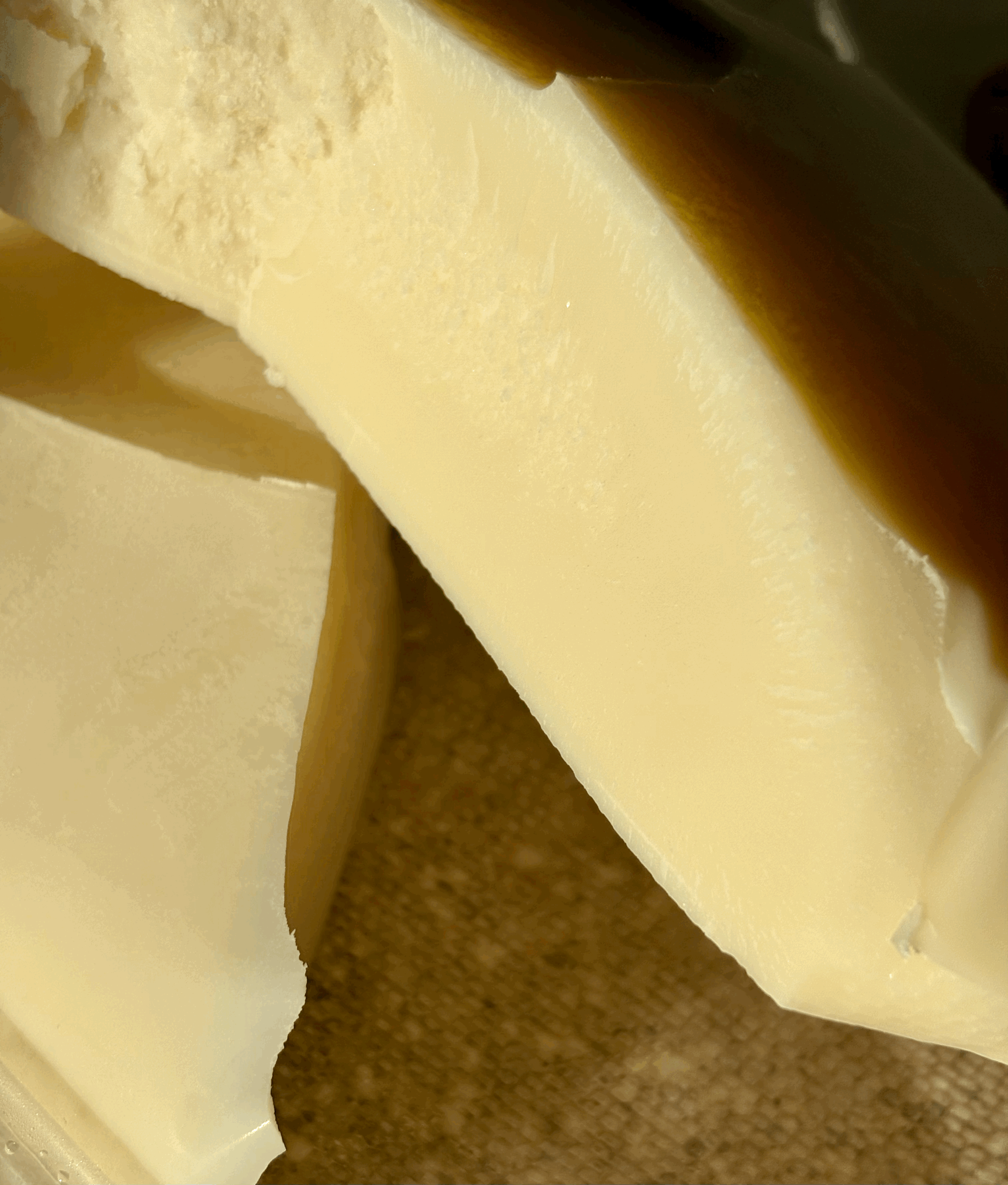
Tallow is a rendered animal fat that has been used by cultures around the world for generations. Through the process of rendering, fat is carefully cleaned and transformed into a stable, nourishing ingredient that has a long history of use in traditional skincare.
At its core, tallow represents simplicity.
It is a reminder of a time when people understood the value of using natural resources wisely—when ingredients were recognizable, purposeful, and chosen because they worked.
Why Has Tallow Been Used on Skin?
Our skin is our largest organ and serves as a protective barrier between our bodies and the outside world. A healthy skin barrier helps maintain hydration and protects against environmental stressors.
Tallow is classified as an emollient, meaning it helps soften and condition the skin. Its composition is compatible with the natural oils found in human skin, which is one reason traditional cultures valued animal fats as part of their skincare practices.
For those seeking simple skincare options, tallow offers something many modern products have moved away from: a short ingredient list.
No unnecessary fillers. No complicated formulas. Just thoughtfully chosen ingredients designed to work with the skin.
Why Bison Tallow?
At True Image Tallow SkinCare, our journey with tallow began years before we ever created a jar of our own. Our first experience came through traditional craftsmanship, where an elder shared the wisdom of using tallow to care for leather and skin.
That lesson stayed with us.
Today, we use locally sourced North Dakota bison kidney suet to create our handcrafted tallow skincare. The quality of the raw material matters, and so does the process.
Our bison tallow is created using a traditional dry rendering method, carefully removing moisture to create a clean, stable ingredient that honors both the animal and the tradition behind it.
Returning to Simple Skincare
Tallow is not a new discovery—it is an old tradition being rediscovered.
In a world filled with endless products and complicated routines, many people are returning to simple ingredients they can understand. Traditional skincare reminds us that sometimes the most meaningful solutions are the ones that have been passed down through generations.
For us, bison tallow is more than an ingredient.
It is a connection to the prairie, to traditional knowledge, and to the belief that skincare can be simple, intentional, and rooted in nature.
How I Discovered Tallow for Skin at a Primitive Skills Gathering
It All Begins Here
My First Experience with Tallow: A Lesson from an Elder Along the Willamette River
Long before I founded True Image Tallow SkinCare, I had my first introduction to tallow at a Primitive Skills Gathering along the beautiful Willamette River in Oregon.
Around 2010, I was deeply drawn to learning traditional skills and reconnecting with the ways our ancestors worked with the natural world. Primitive Skills Gatherings are a place where knowledge is passed from one generation to the next—where people gather to learn ancient crafts, create with their hands, and discover the wisdom found in natural materials.
At this gathering, I spent my days learning a variety of traditional skills. I learned to weave a sun hat from cattails, spin and weave wool, felt wool into a small rug, create a birch bark bag, and eventually make my own pair of leather shoes using recycled tire soles and leather.
One workshop, however, would stay with me for years.
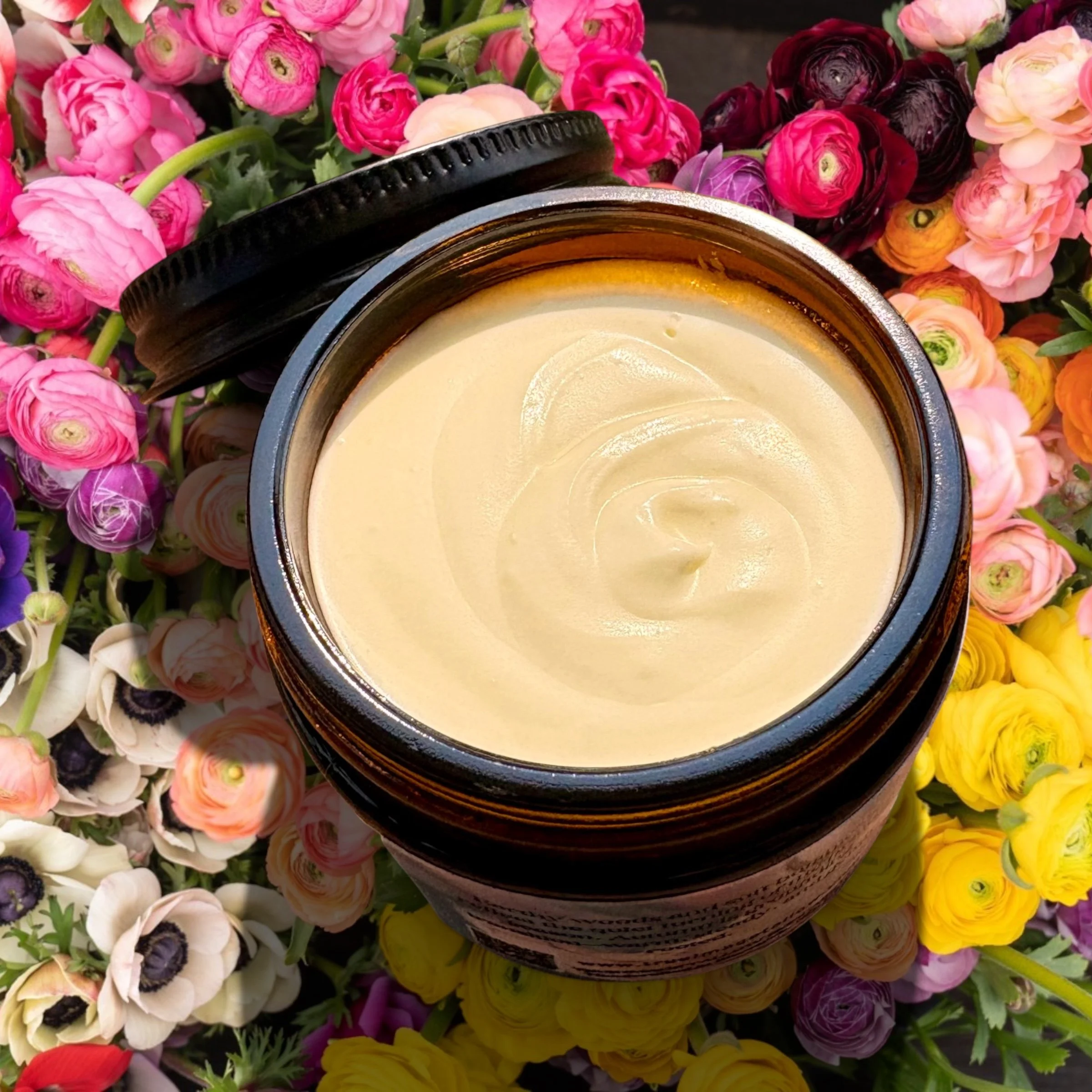
An elderly craftsman with long white hair and a lifetime of wisdom taught us how to make leather shoes from recycled tire for the soles and leather. After we finished our handmade footwear, he reached into his bag and pulled out a simple mason jar filled with rendered bear fat.
"This is tallow," he said.
He instructed us to massage the tallow into the leather to soften it, condition it, and help it last for years. Then he smiled and added something that caught my attention:
"It's wonderful for your skin, too."
Before we left, he generously shared some of his bear tallow with me.
That evening, I rubbed it onto my arms and legs. I remember being surprised by how mild it smelled and how incredibly soft it made my skin feel. It absorbed beautifully, leaving my skin nourished without feeling greasy.
Later, we went swimming in the Willamette River. As I climbed out of the water, I remember thinking how remarkable it was that my skin still felt soft and protected. Equally meaningful to me was knowing that what I had applied came entirely from nature—it wasn't leaving behind synthetic chemicals or ingredients that could contaminate the river.
That simple mason jar changed the way I thought about skincare.
At the time, I had no idea that years later I would be handcrafting North Dakota bison tallow skincare. I simply knew I had experienced something that felt timeless—a traditional skin emollient that had served people long before modern lotions filled store shelves.
Looking back, that encounter was the beginning of a journey that would eventually lead me to create True Image Tallow SkinCare. Sometimes the smallest moments become the seeds of something much bigger.
And it all began with a humble mason jar of tallow, a wise elder, and a lesson I'll never forget.